Applying sunscreen wrong? Hamilton & Stoney Creek skin doctors share their top summer tips.
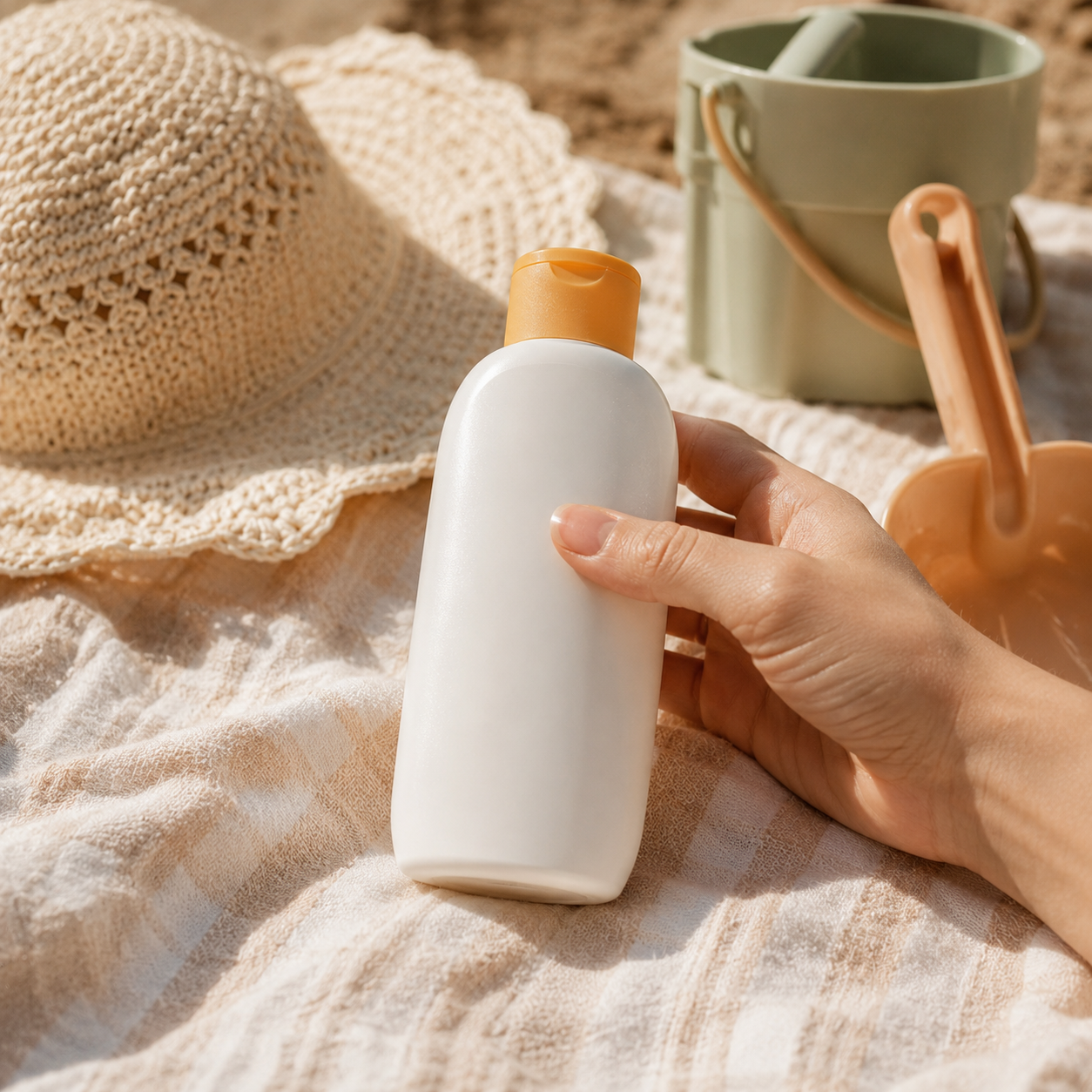
As we welcome the start of summer, your Skinnova medical team — serving Hamilton, Stoney Creek, and the surrounding Hamilton Mountain area — wanted to share some crucial information about one of the most important tools in your skincare arsenal: sunscreen.
Whether you’re heading down to Confederation Beach, enjoying outdoor activities along the Waterfront Trail, or simply running errands around Queenston Road, proper sun protection is essential year-round — but especially now.
UV Rays and Sunscreen Basics
The two major types of UV radiation from the sun are UVA and UVB.
- UVA is primarily responsible for photoaging — wrinkles, discoloration, and loss of elasticity — by directly damaging the skin’s collagen and elastin fibers. It also plays a role in skin cancer development. Important: UVA is NOT blocked by window glass, meaning it can cause skin damage even if you’re indoors or in your car.
- UVB is mainly responsible for sunburns and redness, and is a major driver of skin cancer risk by directly damaging the DNA inside skin cells.
SPF Explained: SPF (Sun Protection Factor) measures protection against UVB rays. SPF 30 blocks about 97% of UVB rays, while SPF 50 blocks about 98%. Higher isn’t always dramatically better — the key is proper, adequate application and reapplication.
Broad Spectrum is Essential: Always choose a “broad spectrum” sunscreen, which protects against both UVA (aging/skin damage) and UVB (burning) rays. Both contribute to skin cancer risk.
Our Top Sunscreen Tips
- Apply Generously Most people use only 25–50% of the recommended amount. You need about 1 ounce (a shot glass full) for your entire body, and a nickel-sized amount for your face.
- Timing Matters Apply sunscreen 15–30 minutes before sun exposure to allow proper absorption — especially important during Hamilton's long summer days.
- Reapply, Reapply, Reapply Reapply every 2 hours, or immediately after swimming or heavy sweating — even if the label says "water-resistant."
- Don't Forget These Spots: Ears, Back of neck, Tops of feet, Scalp (especially with thinning hair) Lips (use SPF lip balm) Hands
- Sunscreen for All Skin Tones Everyone needs sunscreen, regardless of skin tone or how easily they tan. While melanin provides some natural protection (roughly equivalent to SPF 8–13), skin cancer can affect anyone. This is something our Hamilton dermatology team sees and treats regularly.
- Physical vs. Chemical Sunscreens Physical (mineral) sunscreens (zinc oxide, titanium dioxide) sit on the skin and work by absorbing and scattering UV rays — great for sensitive skin, though they can sometimes leave a white cast. Chemical (organic) sunscreens absorb UV rays — these tend to be more cosmetically elegant and easier to wear daily.
- Check Expiration Dates Sunscreen typically expires after 3 years. If it's separated, changed colour, or smells off, replace it.
- Pair Sunscreen with Other Protection Sunscreen is one layer of defence. Other smart strategies include: Wearing UPF-rated protective clothing Using wide-brimmed hats Wearing UV-blocking sunglasses Seeking shade between 10 AM – 4 PM (especially during Ontario's peak summer months)
Special Considerations
For Children: Use mineral sunscreens for babies over 6 months — they’re less likely to cause skin irritation or contact allergies. Keep infants under 6 months out of direct sun entirely (use protective clothing, hats, and shade).
For Acne-Prone Skin: Look for “non-comedogenic” formulas and consider gel-based or mineral options.
For Melasma & Hyperpigmentation: Use tinted, broad spectrum sunscreens containing iron oxide — iron oxide protects against visible light, which plays a role in worsening melasma and hyperpigmentation. This is a common concern we treat at our Hamilton skin clinic.
For Sensitive or Allergy-Prone Skin: Mineral sunscreens are often better tolerated and less likely to cause irritation or contact allergies.
For Daily Wear: Consider a moisturizer with a minimum SPF 30+ for everyday facial protection — a simple habit that makes a big difference over time.
The Science Doesn't Lie — Sunscreen Makes You Look Younger!
A high-quality study followed adults for approximately 4½ years and compared daily sunscreen use against using sunscreen only sometimes. The daily sunscreen group showed measurably less visible sun-related aging over time. Study graders were “blinded” — meaning they didn’t know which group participants were in — making the results far less likely to be biased.
The Bottom Line
Consistent sunscreen use is the single most effective way to prevent premature aging and reduce skin cancer risk. Make it as routine as brushing your teeth!
Have questions about which sunscreen is right for your skin type? The Skinnova medical aesthetics team at our Hamilton clinic (800 Queenston Rd, Suite 305, Stoney Creek) is here to help. Call us to book a free consultation with one of our experienced medical aestheticians.
Here’s to a safe, healthy, and sun-smart summer — from all of us at Skinnova!