• 305-800 Queenston Rd, Hamilton ON

Skin cancer Melanoma

Skin cancer, including melanoma, is one of the most common but also one of the most treatable cancers when detected early. Our Hamilton and Stoney Creek skin clinic provides thorough skin exams, early detection, and personalized treatment plans to protect your health and give you peace of mind

SKIN CANCER & MELANOMA

Skin cancer begins in the cells of the outer layer of the skin (epidermis) when abnormal cells grow uncontrollably. These cells can grow deeper into the skin and in some cases invade nearby tissue, lymph nodes, or blood vessels — spreading to other parts of the body.

At Skinnova Medical & Aesthetics Clinic in Hamilton, Ontario, our physicians are trained experts in detecting and treating all types of skin cancer, ensuring prompt, effective, and personalized care. No referral is needed to book a skin cancer assessment at our Hamilton clinic.

The most common skin cancers are Basal Cell Carcinoma, Squamous Cell Carcinoma, and Melanoma. Less common types include Merkel Cell Carcinoma and Kaposi Sarcoma.

Preventing Skin Cancer

You can significantly lower your risk of developing skin cancer — or maximize your chance of catching it early — with the following measures:

Use Sunscreen Daily Apply a broad-spectrum SPF 30 or higher every day, even on cloudy days. Reapply regularly, especially after sweating or swimming. This is one of the most important steps Hamilton residents can take to reduce skin cancer risk.

Seek Shade Avoid direct sunlight between 10 a.m. and 4 p.m. when UV radiation is strongest.

Cover Up Wear hats, sunglasses, and long-sleeved clothing when spending time outdoors — especially during peak sun hours.

Avoid Tanning Beds Tanning beds emit harmful UV radiation and significantly increase the risk of skin cancer, including melanoma. There is no safe level of tanning bed use.

Regular Self-Skin Checks Examine your skin monthly. Check your entire body — including areas not exposed to the sun such as the armpits, soles of the feet, and between the toes. Use a mirror or ask someone to help check hard-to-see areas like your back and scalp.

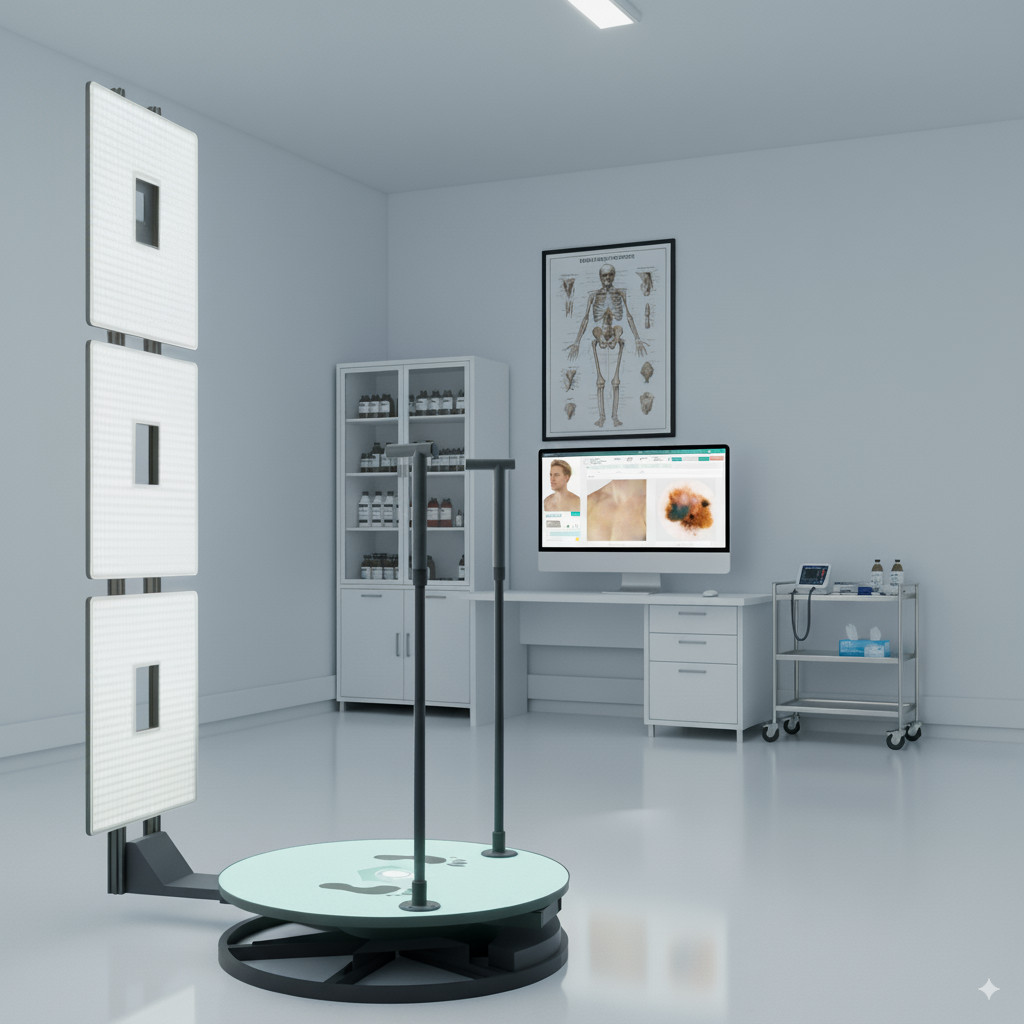
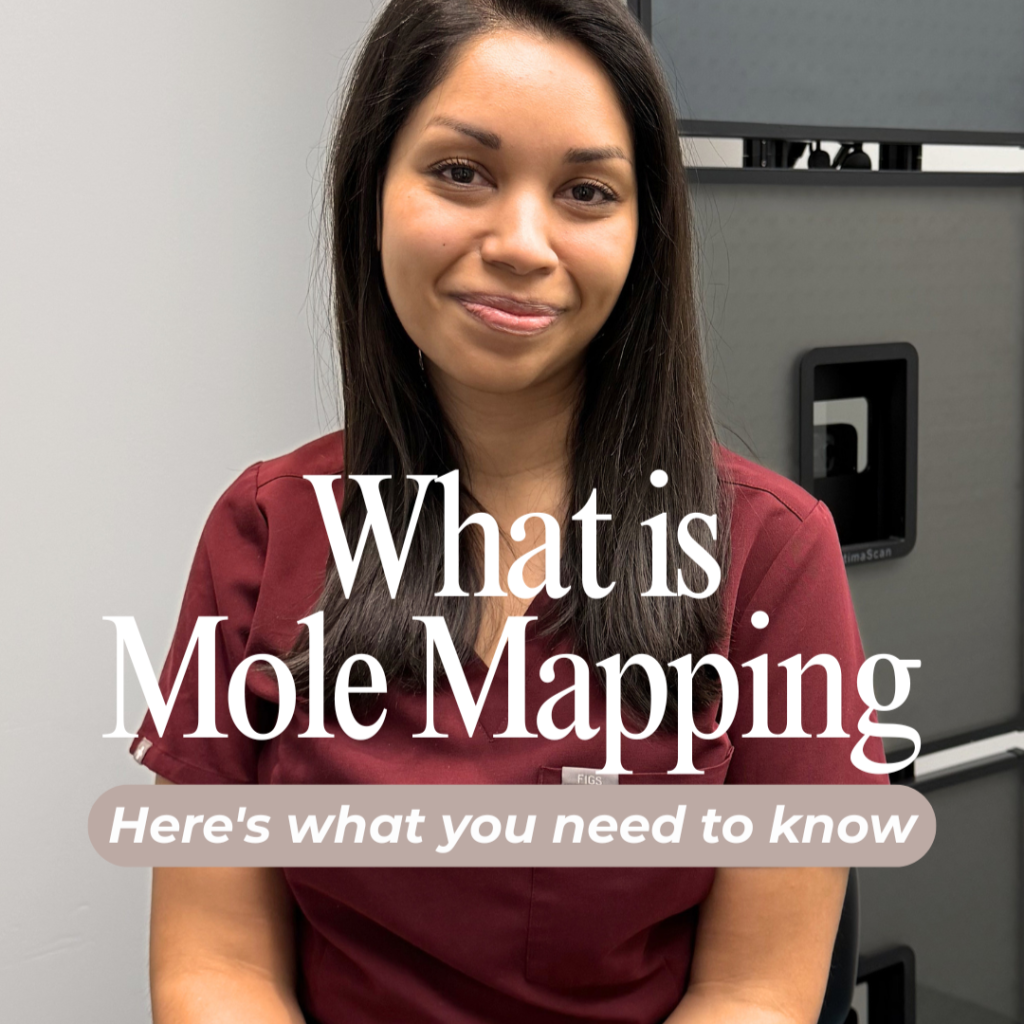
Mole Mapping and Total Body Photography in Hamilton Skinnova offers mole mapping and total body photography at our Hamilton clinic using the advanced OptimaScan imaging system. 

This physician-supervised skin cancer screening service provides detailed, precise photographic records of your moles and spots — allowing our team to detect changes early, when treatment is most effective. No referral is needed. Hamilton and Stoney Creek patients can book directly.

Click here to learn more about Mole Mapping & Total Body Photography.

Types of skin cancer

Basal Cell Carcinoma (BCC)

Basal cell carcinoma is the most common form of skin cancer, affecting 50,000 to 60,000 Canadians every year — making it the most common of all cancers. BCCs usually grow slowly and rarely spread. They are caused by chronic exposure to ultraviolet radiation from sunlight and tanning beds, and are most often found on sun-exposed areas such as the face, neck, scalp, hands, shoulders, arms, and back. The rim of the ear and lower lip are especially vulnerable. Hamilton patients with significant sun exposure history should have any new or changing lesions assessed promptly.

Squamous Cell Carcinoma (SCC)

Squamous cell carcinoma is the second most common skin cancer. SCCs can occur on all areas of the body including mucous membranes, but are most common in sun-exposed areas. While SCCs usually grow locally, in a small percentage of cases they can spread to distant tissues and organs and can be fatal. Early assessment at our Hamilton clinic is strongly recommended.

Melanoma

Melanoma is the deadliest form of skin cancer. It tends to spread (metastasize) to the lymph nodes and distant organs more rapidly than other skin cancers, which makes early diagnosis and treatment critical in reducing the risk of serious harm or death. Melanoma can occur anywhere on the body — even in areas that are not chronically sun-exposed, such as the soles of the feet. If you notice any new, changing, or unusual moles or spots, do not wait — contact Skinnova’s Hamilton clinic for an assessment as soon as possible.

Skin Cancer Treatment Options in Hamilton

  • Curettage and Electrodessication Scraping away cancerous tissue followed by controlled burning to destroy any remaining cells. Often used for superficial skin cancers.
  • Surgical Excision Removing the cancer along with a margin of healthy surrounding tissue. Commonly used for localized skin cancers and performed at our Hamilton clinic.
  • Mohs Surgery A precise, specialized technique commonly used for high-risk or cosmetically sensitive areas such as skin cancers on the face. Our Hamilton team will coordinate Mohs referrals when appropriate.
  • Radiation Therapy Targeted treatment used when surgery is not possible, or in combination with surgery for certain skin cancers.
  • Topical Medications Topical chemotherapy such as 5-fluorouracil, or immune response modifiers such as imiquimod, may be used for early-stage superficial skin cancers.

Treatment depends on the type, location, and stage of the skin cancer. At Skinnova’s Hamilton clinic, our physicians assess each patient individually and recommend the most appropriate treatment approach.

Your Skinnova physician in Hamilton will explain all available options and recommend the most appropriate treatment plan based on your individual diagnosis.

have a question?

Quick answers to questions you may have

How do I know if a mole is cancerous?

Common warning signs include moles that are asymmetrical, have irregular borders, contain multiple colours, are larger than 6mm, or are changing over time. This is often referred to as the ABCDE rule — Asymmetry, Border, Colour, Diameter, and Evolution. If you notice any of these features in a mole, book an assessment at our Hamilton clinic promptly.

Is skin cancer common in Canada?

Yes. Basal cell carcinoma alone affects 50,000 to 60,000 Canadians every year, making skin cancer the most common cancer in Canada. Hamilton residents with risk factors are encouraged to have regular skin checks.

Is skin cancer screening covered by OHIP?

Medical assessment of suspicious lesions and skin cancer diagnosis are generally covered by OHIP when performed by a physician. Some preventative screening services such as mole mapping may not be covered. Our Hamilton team will advise you on coverage at your consultation.

What is mole mapping and do I need it?

Mole mapping — also called Total Body Photography (TBP) — is an advanced imaging service that photographs your entire skin surface to track moles and spots over time. It is especially recommended for Hamilton patients with many moles, a personal or family history of melanoma, or fair skin. Skinnova offers mole mapping at our Hamilton clinic using OptimaScan technology. No referral required.

How soon should I see a doctor if I notice a suspicious spot?

As soon as possible. Early detection is the single most important factor in successful skin cancer treatment — particularly for melanoma. Do not wait. Contact Skinnova’s Hamilton clinic at (905) 549-1025 or book online. No referral is required.